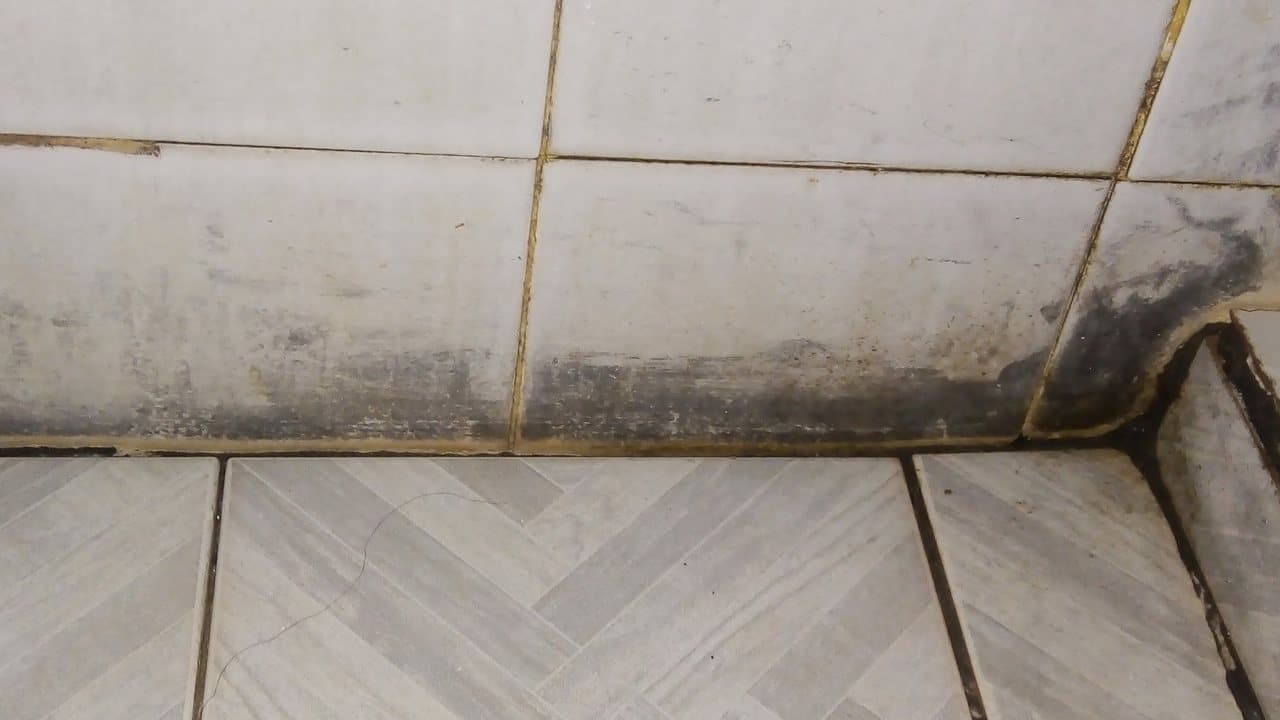
Mold vs Mildew: How to Tell and What to Do
Mildew is mold. The word is used for the flat, powdery growth that sits on top of a surface, usually white, gray or pale yellow, and wipes off with a cleaner. What people call mold is fuzzy or slimy, often green, black or blue, and grows into the material under it. The difference matters for one practical reason: mildew is a cleaning job, and mold in porous materials can mean cutting things out. Here is how to tell which you have, surface by surface.
Side by side
| Feature | Mildew | Mold |
|---|---|---|
| Texture | Flat, powdery or downy | Fuzzy, raised, sometimes slimy |
| Color | White, gray, pale yellow; darkens to gray-brown with age | Green, black, blue, brown, sometimes orange or pink patches |
| Where it grows | On the surface: tile, grout, sills, paper, fabric, plant leaves | On and into porous materials: drywall, wood, carpet, ceiling tiles, food |
| Shape | Patchy film or speckles | Circular spreading spots or blotches, often with fuzzy edges |
| Smell | Mild musty | Stronger, earthy, damp |
| Cleanup | Wipes off with a household cleaner | Surface cleaning may not reach it; porous items may need replacing |
Surface by surface
| Where you see it | Usually | What to do |
|---|---|---|
| Shower grout and caulk, black dots | Surface mold or mildew | Scrub grout; caulk with black spots under the surface is easier to replace than to clean |
| Window sills and frames, gray film | Mildew from condensation | Wipe, dry, and reduce indoor humidity in winter |
| Bathroom ceiling, gray or black speckles | Mildew or early mold | Clean, then run the fan during and 20 minutes after showers |
| Painted drywall, spreading dark patch | Mold, often with moisture behind it | Find the water source first; soft or stained drywall usually needs cutting out |
| Ceiling stain with fuzzy growth | Mold from a leak | Fix the roof or plumbing leak; replace ceiling tile or drywall |
| Basement walls, white crusty deposit | Often not mold: efflorescence (mineral salts) | Crumbles to powder and dissolves in water; it signals water moving through the wall |
| Clothes, books, leather in storage, gray spots | Mildew | Brush outdoors, wash or clean, dry fully; store with lower humidity |
| Plant leaves, white powder | Powdery mildew, a plant disease | Different fungi from house mold; treat the plant, not the room |
The bleach test, and what it does not tell you
To check whether a dark spot is growth or just dirt, dab it with a cotton swab dipped in household bleach diluted about one part bleach to sixteen parts water. If it lightens within a couple of minutes, it is mold or mildew. If it stays dark, it is dirt, soot or a stain. That is all the test tells you. It does not separate mildew from mold, it does not identify the species, and lightening the color is not the same as removing the growth.
Never mix bleach with ammonia or acid cleaners. The fumes are dangerous, and many bathroom products contain one or the other.
About black mold
"Black mold" is not a species. Many molds are black or dark green, including common ones that grow on shower grout. The mold people worry about, Stachybotrys, is greenish black, but you cannot identify it by color, and other dark molds are far more common. Health agencies give the same advice for every indoor mold regardless of color: it can trigger allergies and asthma, and it should be removed and the moisture fixed. Home test kits and air sampling are rarely worth the money for a homeowner, because there are no standards for "safe" levels and the answer does not change what you should do.
Why it keeps coming back
Mold and mildew grow where moisture stays. Cleaning without fixing the moisture guarantees regrowth, usually within weeks. The common sources:
- Bathrooms without ventilation. Run a fan that vents outside, not into the attic, during and after showers.
- Condensation. Cold windows and exterior walls collect moisture in winter. Keeping indoor humidity between about 30 and 50 percent helps; a cheap hygrometer tells you where you are.
- Leaks. Roof leaks, plumbing drips inside walls and under sinks, and condensate from AC units.
- Basements. Ground moisture through walls and floors. A dehumidifier and good gutters and downspouts matter more than any cleaner.
- Clothes and furniture against cold walls. Leave a gap for air to move.
After a leak or a flood
Mold can start growing on wet materials within 24 to 48 hours. After a pipe burst, an appliance leak or a flood, speed matters more than any product. Stop the water, remove standing water, pull up wet rugs and padding, open walls where insulation got soaked, and run fans and dehumidifiers until materials are dry, which can take days. Drywall and insulation that stayed wet for more than a couple of days usually need to come out. Anything soaked by sewage or flood water from outside should be treated as contaminated and handled by a professional.
Who should be careful
For most healthy people, a bit of mildew in the shower is a cleaning chore, not a health threat. Mold exposure matters more for people with asthma or mold allergies, which it can trigger; for people with weakened immune systems, such as those on chemotherapy or after a transplant, who can develop infections; and for infants and older adults with lung disease. If someone in the house falls into these groups, keep them away during cleanup and lean toward hiring a professional for anything beyond a small surface patch. Persistent symptoms like coughing, wheezing or a stuffy nose that improve when away from home are worth mentioning to a doctor.
Cleaning it yourself
For small areas on hard surfaces, use detergent and water or a household mold cleaner, scrub, and dry the surface completely. Wear gloves and eye protection, and an N95 mask if you are scrubbing a patch more than a few inches across, since cleaning releases spores. Bag and discard sponges and rags. Porous materials that are moldy, like ceiling tiles, carpet padding and soft drywall, usually cannot be cleaned well enough and should be replaced. Paint over mold without removing it and it grows through the paint.
Fabrics and leather are their own case. Brush mildew off outdoors so spores do not spread inside, then wash washable items in the hottest water the fabric allows and dry them in the sun or a hot dryer. Leather shoes, bags and jackets can be wiped with a cloth dampened in a mix of water and rubbing alcohol, then dried away from direct heat. Books with mildew should be dried fully and stored in a drier room; badly affected paper rarely recovers.
The EPA's practical cutoff is about 10 square feet, roughly a 3 by 3 foot patch. Smaller than that, most people can clean it. Larger than that, or if it is inside walls, in the heating and cooling system, or came from sewage or flood water, call a professional.
Where a photo helps and where it does not
A photo can tell you whether you are looking at growth, efflorescence or a water stain, and it is good at plant problems. The plant problem identifier recognizes powdery mildew, downy mildew and sooty mold on leaves from a clear close-up, which is the case where a photo is most useful, since the treatment depends on which one it is. For walls and ceilings, an identifier can confirm "this looks like mold growth" from a sharp photo in good light, but no photo can tell you the species, whether it is toxic, or how far it extends behind the surface. That last part is what decides the repair, and it takes a moisture meter or opening the wall.
For white fuzz on houseplants specifically, the white fuzzy stuff guide separates mildew from mealybugs and soil mold.
Frequently asked questions
Is mildew a type of mold?
Yes. Mildew is an everyday name for certain molds that grow flat on surfaces, usually white, gray or yellowish and powdery. Everything people call mildew is a mold; not every mold looks like mildew.
How do I tell mold from dirt?
Put a drop of diluted household bleach on the spot. Mold and mildew usually lighten within a minute or two. Dirt and soot stay the same color.
Is black mold always toxic?
No. Many molds are black, and color does not tell you the species or how harmful it is. Health agencies advise treating all indoor mold the same way: fix the moisture and remove the growth.
When should I call a professional for mold?
The EPA's rule of thumb is that you can usually clean areas smaller than about 10 square feet yourself. Larger areas, mold inside walls or HVAC systems, growth after sewage or flood water, and anyone in the house with serious health problems are reasons to bring in a professional.