Buzzard vs Vulture: Which Bird Do You Mean?
Whether a buzzard is a vulture depends on where you are standing. In the US, "buzzard" is the everyday name for vultures, usually the turkey vulture. In Britain and most of the English-speaking world, a buzzard is a hawk: the common buzzard, a cousin of the red-tailed hawk. Early English settlers used the familiar name for the big soaring birds they saw in America, and it stuck. So for an American, the useful question is not buzzard versus vulture, but which vulture.
The two names, mapped
| Bird | What Americans call it | What the British call it | What it is |
|---|---|---|---|
| Turkey vulture | Buzzard, turkey buzzard | Turkey vulture | New World vulture |
| Black vulture | Buzzard | Black vulture | New World vulture |
| Common buzzard (Europe) | Rarely seen; a hawk | Buzzard | Hawk, genus Buteo |
| Red-tailed hawk | Hawk, red-tail | Sometimes red-tailed buzzard | Hawk, genus Buteo |
Turkey vulture vs black vulture
| Feature | Turkey vulture | Black vulture |
|---|---|---|
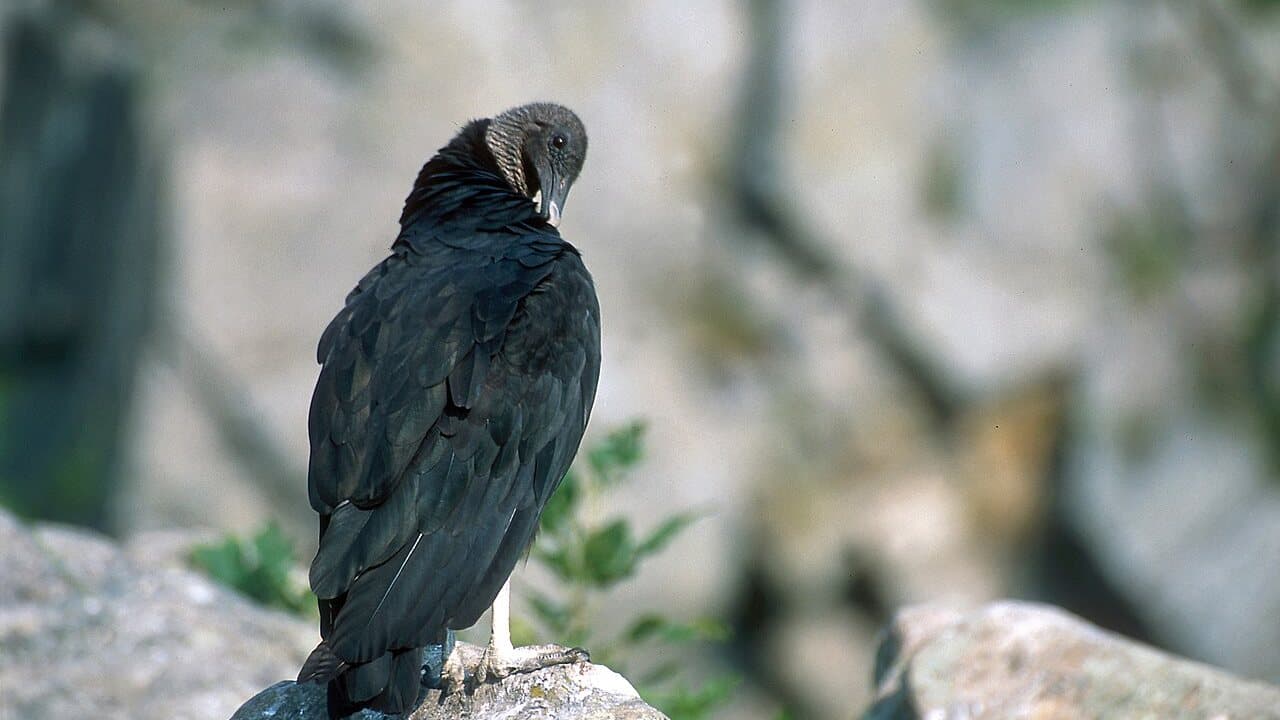
| Head | Bare and red on adults, gray-brown on young birds | Bare, gray and wrinkled |
| Wingspan | About 6 feet | About 5 feet |
| Underwing | Two-toned: black front edge, silvery gray flight feathers along the whole back edge | All black except white patches near the wingtips |
| Wings in flight | Held in a shallow V; tilts and rocks side to side | Held flatter; quick, choppy flapping between glides |
| Tail | Long, extends well past the feet | Short and square; feet reach close to the tip |
| Finding food | By smell, unusually strong for a bird | By sight, often following turkey vultures to a carcass |
| Groups | Loose groups | Tighter, more aggressive groups |
| Range | Most of the US in summer; year-round in the South | Southeast and Southwest, expanding north |
In flight, the fastest check is the underwing. Silver along the entire back edge of the wing is a turkey vulture. White only near the tips is a black vulture. The flight style backs it up: turkey vultures teeter like a person balancing on one foot, rarely flapping, while black vultures flap in quick bursts.
The birds people mistake for vultures, and the reverse
| Bird | Why it confuses | How to tell |
|---|---|---|
| Bald eagle (young) | Big, dark brown, soaring | Flat, plank-like wings, big head sticking out in front, white blotches underneath |
| Golden eagle | Large, dark | Holds wings nearly flat, larger head, golden nape; mostly in the West |
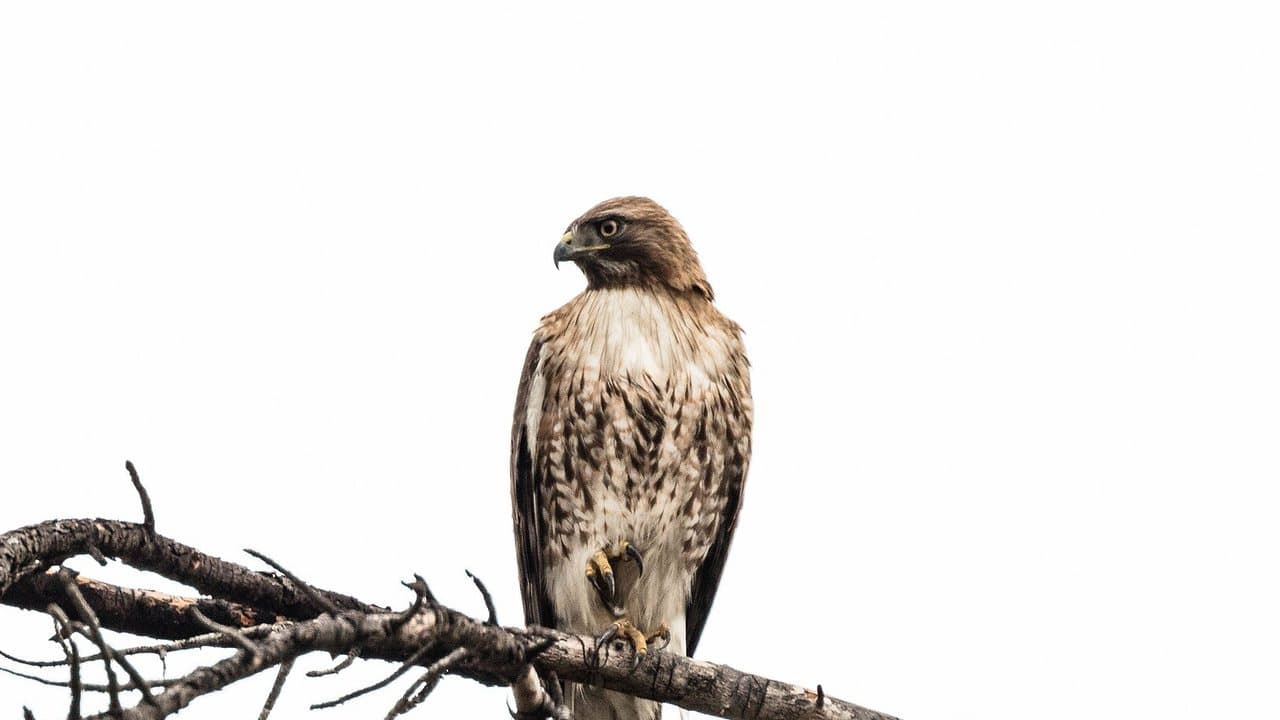
| Red-tailed hawk | Soars and circles | Much smaller, pale chest with a dark belly band, rusty tail on adults |
| Osprey | Big, near water | White underneath, wings bent in an M shape |
| Wild turkey | Shares the name and a bare head | Ground bird; flies only short distances |
The bare head is the clincher up close. No hawk or eagle in North America has a bald head; vultures do, because it stays clean when they feed inside a carcass.
Kettles and migration
Turkey vultures in the northern US and Canada migrate south in fall, and black vultures mostly stay put. Migrating turkey vultures travel in groups that ride thermals together, forming swirling columns called kettles that can contain dozens or hundreds of birds. Hawk watch sites along ridges and coasts count them by the thousands in September and October. A big circling group of dark birds on a fall afternoon is far more likely to be migrating vultures than birds gathering over something dead.
Why you are seeing more of them
Black vultures have expanded north over the past several decades, from the Southeast into the Ohio Valley, the Mid-Atlantic and southern New England, likely helped by milder winters, landfills, roadkill and more open land. Turkey vultures have also increased in many northern areas and now winter farther north than they used to. People who never saw vultures as children are seeing roosts of them on water towers and church steeples today.
Built to eat carrion
Vultures have extremely acidic stomachs that destroy many of the bacteria and toxins found in rotting meat, which lets them eat carcasses that would sicken other animals. By cleaning up dead animals quickly, they reduce the spread of disease to livestock, pets and people. The California condor, the largest flying land bird in North America, is a close relative; it nearly went extinct in the 1980s and survives in parts of California, Arizona, Utah and Baja California thanks to captive breeding.
Odd vulture habits
- They cool off with their own droppings. Vultures excrete onto their legs on hot days. The evaporation cools them, and the acidity may help kill bacteria picked up from carcasses.
- They vomit as defense. A cornered vulture may throw up a foul-smelling meal to lighten itself for takeoff and drive off predators.
- They spread their wings in the morning. The horaltic pose, wings open in the sun, warms them, dries their feathers and may bake off bacteria.
- They roost together. Dozens or hundreds may gather in the same trees, towers or rooftops every night, sometimes for years.
Up close
Seen at close range, a turkey vulture shows something no hawk has: you can see straight through its nostril from one side of the bill to the other. The nostril has no dividing wall, an adaptation that may help keep it clean. Its red head is wrinkled and bare, and its eyes are brown and surprisingly gentle-looking. A black vulture's head is gray and deeply wrinkled, with a slender bill and a dark eye. Both have weak feet compared with hawks and eagles, with blunt claws suited to walking rather than grabbing prey, which is the clearest sign they are scavengers, not hunters.
Moving a roost
Vultures often return to the same roost every evening for years, so a roost on a house, barn or tower tends to grow. The methods that work, used together and started early, include loud noise and lights at dusk when birds arrive, hanging a vulture effigy (a realistic decoy hung upside down, which roosting vultures avoid), and physical deterrents like spikes or wires on favorite ledges. Effigies of real vultures require a federal permit. Wildlife agencies can advise on legal options.
Problems and the law
Vultures are valuable cleaners that remove carcasses and the diseases they spread. Problems come from roosts: large groups on buildings, cell towers or neighborhoods leave droppings and can damage roofing, window seals and car trim with their beaks. Black vultures can also attack newborn calves and other vulnerable livestock. Both species are protected under federal law. Harassment methods like noise and effigies can be used to move a roost in some situations, but killing vultures requires a permit, which livestock owners can apply for through federal and state wildlife agencies.
Young vultures
Young turkey vultures have dark gray heads, not red, for their first year or so, which makes them look a lot like black vultures on a perch. Check the bill and the wings: young turkey vultures still have the long tail and the silvery flight feathers underneath, while black vultures have a short tail and white only at the wingtips. In flight the difference stays obvious at any age.
Photographing a soaring vulture
The underwing is what you need, so photograph the bird from below as it passes, with the camera exposed for the bird rather than the bright sky. The bird identifier separates turkey and black vultures reliably from a flight photo showing the underwing, and from a perched photo showing the head. It struggles with distant black silhouettes, where the two species and dark hawks all look alike, and with backlit shots. A burst of photos as the bird banks usually gives you one frame with the wing pattern visible.
For the large raptors that share the sky with vultures, the hawk vs eagle guide covers the rest.
Frequently asked questions
Is a buzzard a vulture?
In the US, yes. Americans commonly call turkey vultures and black vultures buzzards. In Britain and much of the world, buzzard means a hawk of the genus Buteo, such as the common buzzard. The bird depends on which side of the Atlantic you are on.
How can I tell a turkey vulture from a black vulture?
Turkey vultures have long wings held in a V, a two-toned underwing with silvery flight feathers, a longer tail and a red head on adults. Black vultures have shorter, broader wings with white patches at the tips, a short square tail, a gray head and quicker flapping.
Are vultures protected?
Yes. Turkey vultures and black vultures are protected under the federal Migratory Bird Treaty Act. Farmers with livestock losses to black vultures can apply for permits through federal and state agencies.
Why do vultures circle?
They are soaring on rising columns of warm air to save energy while searching for food. Circling does not necessarily mean something below is dying.