What Is This Old Tool? Identify Vintage & Antique Tools
Estate sales, old barns, and grandpa's workbench are full of hand tools that stopped being made decades ago. Our AI names the tool, reads the maker's mark when it is visible, estimates the era, and tells you whether it is a common user or a piece collectors actually chase.

- Free to try
- No sign-up
- Results in seconds
Take or upload a photo
AI identifies anything in seconds
1 free identification, no account needed
An old tool tells its age through its metalwork, its handle, and above all its maker's mark. Hand-forged bodies, japanned finishes, rosewood handles, and a stamped name or patent date place a piece in a decade and a workshop. Reading those details is the first step to knowing whether you are holding a five-dollar user or a tool collectors will pay for.
Below are the kinds of old tools people most often pull out of a drawer or a barn and cannot name. Photograph yours, marks first, to learn what it is and whether it is worth keeping.
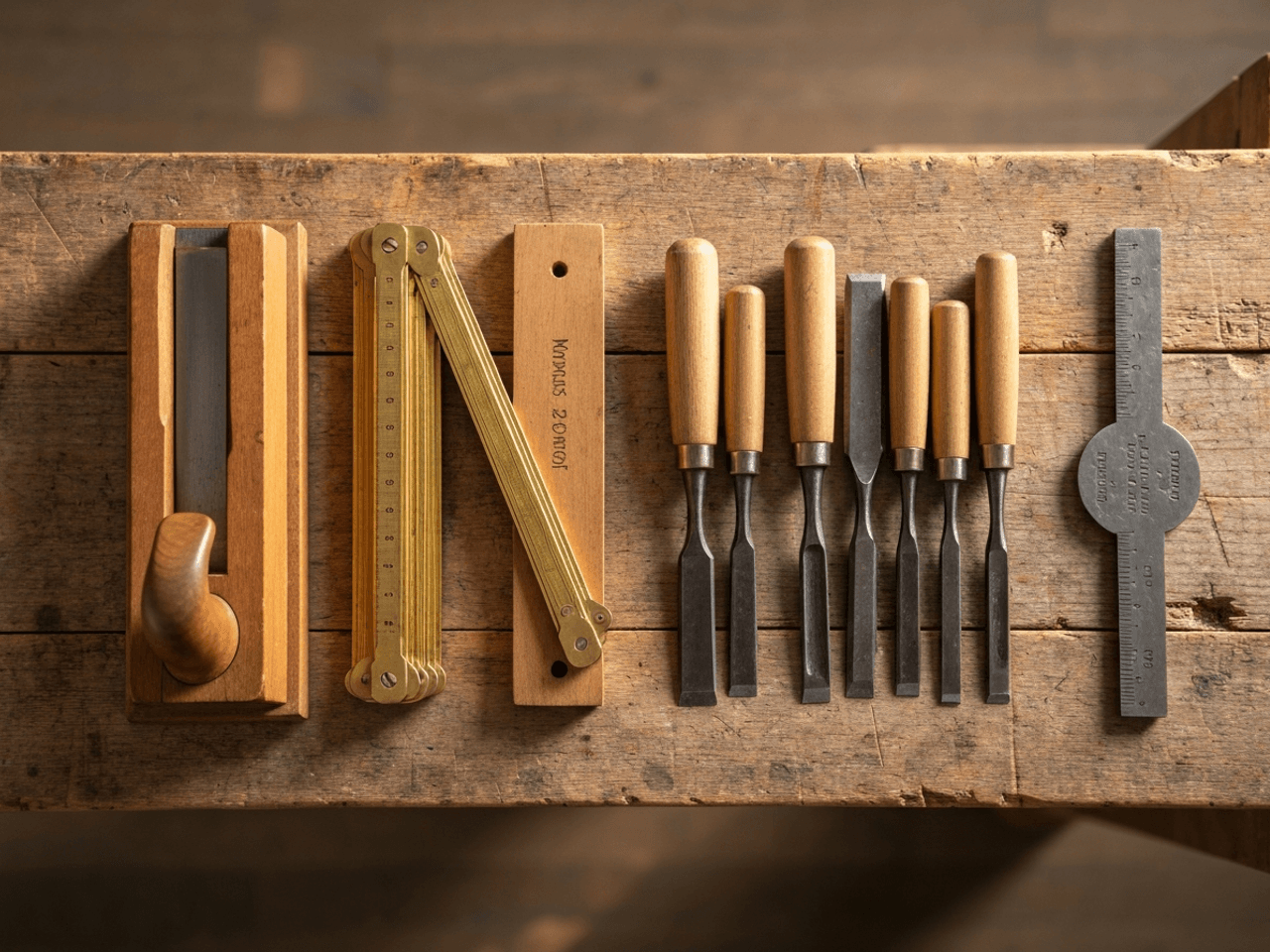
Common types of vintage tools
A quick reference to the ones people ask about most. Not sure which you have? Snap a photo above and let the AI name it.
Hand planes
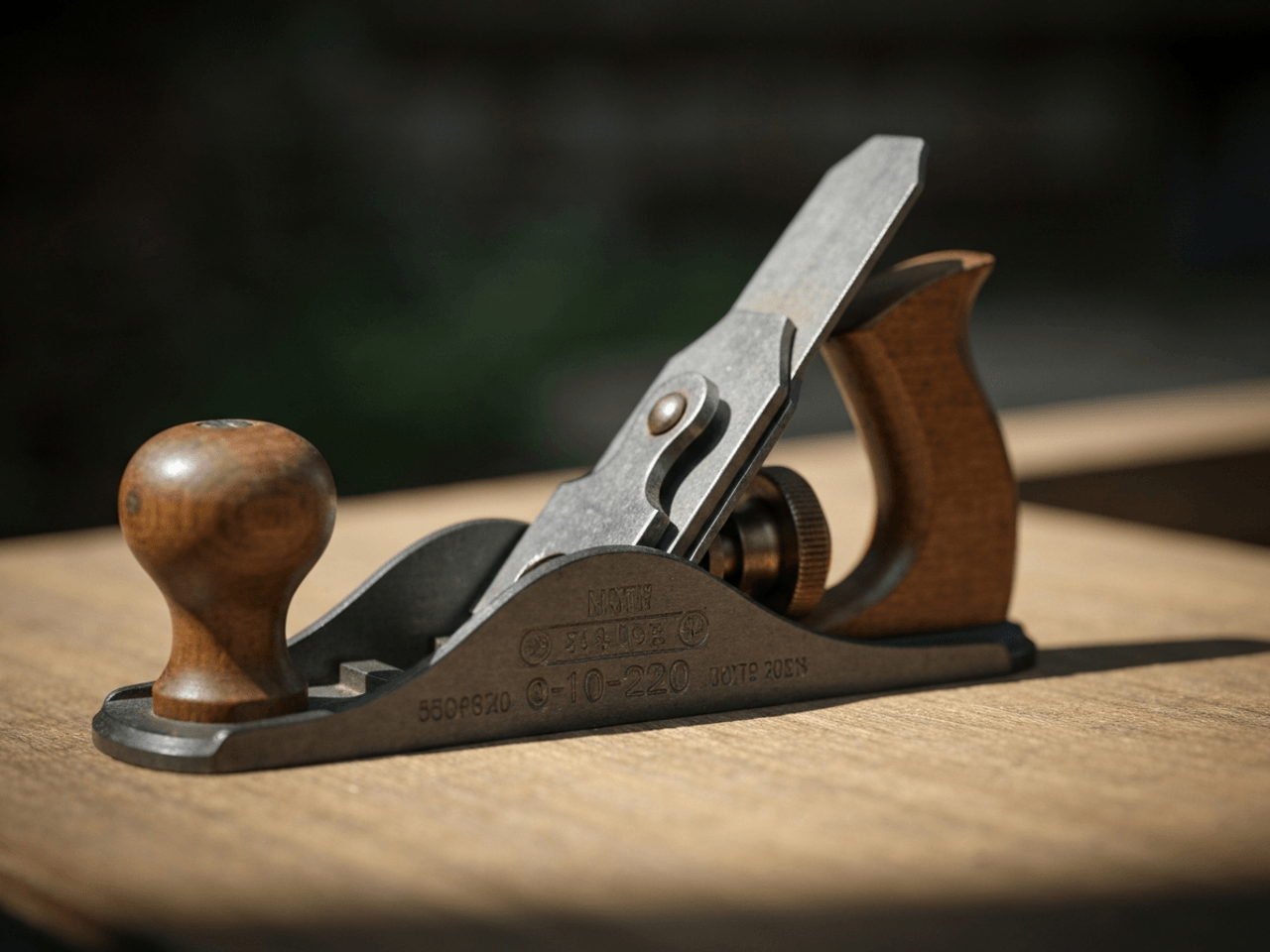
Wood and metal bench planes, block planes, and specialty planes. Stanley and Bailey types are heavily collected and easy to date by their features.
Braces and hand drills
Crank-style braces and eggbeater drills that predate power tools. Marked examples from Millers Falls and North Bros are collectible.
Saws
Handsaws, backsaws, and panel saws. The etch on the blade and the handle shape identify makers like Disston and date the saw.
Wrenches and spanners
Odd-shaped farm and implement wrenches, often stamped with a tractor or plow maker's name. A whole collecting niche of its own.
Measuring and layout tools
Folding rules, levels, squares, and calipers in boxwood and brass. Stanley and Starrett names add value.
Blacksmith and farm tools
Hand-forged implements from the horse-and-plow era whose original job is often a genuine mystery until identified.
Why identifying vintage tools matters
Old tools split into two piles: worn workshop leftovers worth a few dollars, and sought-after antiques worth real money. The difference is almost always the maker and the era, not the condition. Naming the tool and its stamp is what tells you which pile you are holding before you toss it or list it.
What helps identify vintage tools
Maker's Mark and Stamp
Stanley, Disston, Millers Falls, Starrett, Sargent. A stamped name or logo is the single biggest clue to maker, date, and collector value.
Construction and Metalwork
Hand-forged vs cast, wrought iron vs steel, cast-brass fittings. Older tools show forge marks, file finishing, and irregular hand work.
Handle and Materials
Rosewood, beech, and boxwood handles, japanned finishes, and horn or bone inlay all point to age and quality grade.
Patent Dates and Type Studies
Many old tools carry a patent date or a design detail that pins them to a specific production run, sometimes to within a few years.
User-grade or collectible antique?
Most old tools are user-grade: usable, but common and cheap. A minority are collectible, and the giveaways are a desirable maker's mark, hand-forged construction, an early patent date, or a rare pattern. Condition matters less than people think, and aggressive cleaning can actually lower value. Identify the tool and its maker first, then check what that specific pattern sells for before you decide to keep, use, or list it.
Photo tips for the best identification
- 1Photograph every stamp, mark, and patent date, even faint ones. Raking light from the side makes worn stamps readable.
- 2Shoot the whole tool plus a close-up of the working end and the handle join.
- 3Do not over-clean before photographing. Original patina matters to collectors and helps date the piece.
- 4Include a ruler or coin for scale, since size separates similar patterns.
Frequently asked questions
What is this old tool I found?
Snap a clear photo of the tool and any stamped mark, and the AI names it, suggests the maker and era, and explains what trade it was used in. Old planes, braces, wrenches, and farm implements are all covered.
How do I know if a vintage tool is valuable?
Value tracks the maker and rarity far more than condition. A marked Stanley plane, an early Disston saw, or a hand-forged specialty tool can be worth real money. The AI flags names and features that signal collector interest, but confirm price with a valuation tool or a dealer.
Can it read a maker's mark I cannot make out?
Often, yes. If the stamp is partially legible in the photo, the AI matches it against known makers and logos and gives the most likely match with a confidence note.
Are old farm and barn tools included?
Yes. Hand-forged farm implements, blacksmith-made pieces, and horse-era tools whose purpose is a mystery today are exactly what this handles.
Identify vintage tools on the go
Get the What Is This app for unlimited scans, offline mode, and a history that syncs.
Related vintage tools identifiers
Tools identifier
Snap a photo of any tool and AI tells you what it is, what it's called, and what it's used for. Free identifier for hand tools, vintage tools, and hardware.
Power Tools identifier
Snap a photo and AI identifies power tools, cordless tools, and their attachments. Get the type, likely brand, and what the tool is used for in seconds.
Garden Tools identifier
Snap a photo and AI names garden and yard tools, from hand trowels to pruning tools and long-handled implements, and explains what each one is used for.